
Overall Aims
The Arts is an integral and unique part of a child’s core education. At Queensbury we believe our Arts education stimulates creativity and imagination whilst giving the child unique opportunities to develop intellectually, emotionally, physically and socially. Through the Arts we help students express their ideas creatively using basic skills and knowledge at levels of expertise appropriate to their interest and development. Our Arts mission at Queensbury School is to prepare students to be appreciators and supporters of the Arts as they become contributing citizens of the community.

Our students experience Music throughout their time at Queensbury School through our planned Music and Cultural celebration days, workshops and assemblies which are planned throughout the year.
For more information how Music is implemented in the curriculum please ask to see our Music Curriculum Development Plan.
| Intent | Implement | Impact |
|---|---|---|
| Music is a powerful tool for students to identify their needs, interact with others, and deepen their understanding of the world around them. It fosters independence while promoting communication with respect, kindness, and an appreciation for diversity. Music allows students to connect to themselves and to those around them, crossing cultural, spiritual, and educational boundaries. Our goal is for all students to feel a sense of musicality, regardless of their prior attainment or background. Through a range of experiences, including live musical performances, students will not only develop their musical skills but also cultivate empathy, collaboration, and a deeper appreciation for the world’s diverse cultures and perspectives. | Through music themed workshops students will experience listening & responding to music. Musical performances, Celebration days, and by taking part in cultural themed assemblies. | Students will have had the opportunity to explore a range of instruments and learn about music and dance from different cultures. Musical opportunities encourage students to develop a lifelong love of Music and cultural understanding. |
| KS3 | Intent (Why are we doing it) | Implement (How we are going to do it) | Impact (What we want to see and develop) |
|---|---|---|---|
| Discovery | The Discovery curriculum is designed to help students identify their needs, interact with others, and gain a deeper understanding of the world. We aim to promote the holistic development of young people by fostering their learning, creativity, and aesthetic appreciation while developing essential foundational skills such as fine motor control and self-expression. Through music, children are given opportunities to experiment with sound, exploring ways to change and manipulate it. They will develop an understanding of pulse, rhythm, and pitch, all while communicating with respect, kindness, and an appreciation for diversity. This approach empowers students to build independence, collaborate effectively, and engage meaningfully with the world around them. | Students will explore a wide and varied Arts education exploring different ways to be creative including singing, using colour, textures and design and model making. | Students will explore a wide range of art mediums and techniques to allow them to develop, learn and grow in their artistic potential. To develop the skill set needed for later education and appreciating the world around them. Students find their Arts lessons exciting, relaxing and enjoyable. |
| Explorer | The Explorer curriculum is designed to help students identify their needs, engage meaningfully with others, and develop a deeper understanding of the world around them. Through the arts, students have the opportunity to explore their individuality, express themselves independently, and communicate with respect, kindness, and an appreciation for diversity. As they interact with others and their environment, they transform their experiences into creative and imaginative expressions. This process encourages them to make new connections and build relationships, fostering a sense of belonging and empathy. The curriculum also emphasizes essential life skills such as self-belief and confidence, enabling students to trust in their abilities and take pride in their creative endeavours. Resilience is nurtured by encouraging students to persevere through challenges, learning from setbacks, and developing a growth mindset. The aspiration to achieve is fostered by setting high standards for personal and academic growth, inspiring students to strive for success. Preparation for the world of work is integrated through activities that promote problem-solving, collaboration, and adaptability. Lastly, the curriculum emphasizes communication and interacting with others, providing students with the tools to work collaboratively, express themselves clearly, and engage with diverse perspectives. Their knowledge, memories, and ideas become the foundation for their artistic imagination, allowing them to explore, build on, and record their own creative journeys in a supportive and inclusive environment | Pupils investigate different ways of exploring the art including drawing painting – watercolours, pastels, mixed media, print-making and clay. Textiles using mixed media, embroidery, felt and D.T exploring the properties of different wood and metals. Students investigate artists and makers as well as developing their appreciation for art work from different cultures. | The Arts will develop imagination, creativity, expression, visual thinking, observational skills and problem solving. Skills gained help to secure future destinations |
| Navigator | The Navigator curriculum empowers students to identify their needs, interact meaningfully with others, and develop a deeper understanding of the world through the arts promoting independance in preparation for adulthood. As students manipulate a paintbrush, sew a stitch, or file wood, they not only enhance their fine motor skills but also build independence, confidence, and self-belief. Through activities like counting pieces and colours, they engage with basic mathematical concepts, while experimenting with different materials introduces them to scientific principles. More importantly, the arts provide a platform for students to communicate with respect, kindness, and an appreciation for diversity, fostering an environment where creativity thrives. In the process, students develop key life skills such as ambition, resilience, and courage. As they express themselves, they build self-confidence, make connections with others, and grow in their ability to navigate the world around them. Through teamwork, students learn the value of collaboration, problem-solving, and mutual support, enriching their understanding of shared goals and collective success. By fostering these qualities, the Navigator curriculum nurtures well-rounded individuals who are not only skilled in the arts but also equipped to face challenges with confidence and determination. | Students are taught how to explore their ideas and plan projects. They will look at how they can experiment with different techniques and materials and evaluating their work. Developing an understanding of the Arts term and vocabulary along with knowledge of historical artistic movements and the influence they had on the world. | Students develop the ability to think of ideas and be creative. Develop knowledge and understanding of the Arts. How to evaluate their work and reflect on how it can improve. |
| Venture | The Venture Art and Design curriculum offers students the opportunity to identify their needs, engage with others, and deepen their understanding of the world. Through these creative experiences, children can develop and extend their skills while expressing their unique interests, thoughts, and ideas. They learn to communicate their ideas, opinions, and feelings about their own work and the work of others, fostering both independence and collaboration building trust and relationships. Art encourages students to interact with respect, kindness, and an appreciation for diversity, creating an environment where every individual’s creativity is valued. The curriculum also emphasizes the development of key life skills such as empathy, where students are encouraged to understand and appreciate the perspectives of others. Through creative expression, students explore understanding themselves and their emotions, building self-awareness and emotional intelligence. The process of interacting with the world through art helps students connect with their environment, fostering a sense of belonging and responsibility. Resilience is developed as students encounter challenges in their work, learning to persist through difficulty and celebrate growth. By exploring and celebrating their own and others’ creativity, students not only enhance their artistic abilities but also build meaningful connections and a deeper understanding of themselves. | Each student has ownership of their sketchbook in order to foster their sense of creativity. Students use their sketchbooks to make initial sketches, develop skills, record ideas and develop opinions. Each student is given the opportunity to experience a range of art medium through the exploration of an initial key artist, craft maker or designer and their work. Students s explore how their art can share commonalities with famous art and use subject-specific vocabulary to discuss key artworks and their own work. | The Venture Arts curriculum contributes to students' personal development in creativity, independence, judgement and self-reflection. It encourages students to develop a sense of ownership over their work and reflect on their experiences through evaluating their progress and development. Their art outcomes are proudly displayed around the school, virtual art gallery and social media to showcase learning outcomes. Our students show a willingness to participate in a range of artistic opportunities and respond well to this. |
| Quest | The Quest curriculum aims to help students identify their needs, interact with others, and gain a deeper understanding of the world through the arts. It fosters independence and encourages communication with respect, kindness, and an appreciation for diversity. By developing foundational skills such as fine motor control, students are empowered to express themselves creatively. Alongside this, they cultivate an appreciation for the arts, exploring both their own and others' unique expressions. This process enables them to communicate their thoughts and emotions, build connections with peers, and appreciate the diverse world they are part of. | Students will explore a wide and varied Arts education exploring different ways to be creative including using colour, textures, design and model making. | Students will explore a wide range of art mediums to allow them to develop skills and understanding of different techniques. To develop the skill set needed for later education and appreciating the world around them. |

| KS4 | Intent (Why are we doing it) | Implement (How we are going to do it) | Impact (What we want to see and develop) |
|---|---|---|---|
| Discovery | The Discovery curriculum is designed to help students identify their needs, interact with others, and deepen their understanding of the world. Through a focus on problem-solving, creative thinking, research, and communication, students are encouraged to develop independence while working collaboratively with respect, kindness, and an appreciation for diversity. The development of independence and life skills allows students to become self-reliant, make informed decisions, and manage their personal and academic responsibilities. Students also explore their sense of self, gaining self-awareness and confidence in their abilities. These skills enable them to approach challenges with confidence and resilience, adapting to difficulties and persisting in the face of adversity. They engage thoughtfully with peers, expressing their ideas and solutions in a way that values the perspectives and experiences of others. Through communication and interaction with others, students learn to work together effectively, share ideas, and build meaningful relationships. By fostering these abilities, we empower students to become thoughtful, resourceful, and respectful communicators in both their personal and collective endeavours, while continuously understanding the world around them and developing a global perspective. | Students follow a curriculum which develops skills in the formal elements (colour, line, form, shape, tone, texture) whist investigating a range of different artists and makers. Students will explore drawing and making skills for different needs and purposes. | Students achieve an Arts award qualification whilst developing an appreciation of different cultures. This will provide the skills needed later for further education and develop an appreciation for the world around them. |
| Explorer | The Explorer curriculum is designed to help students identify their needs, interact with others, and deepen their understanding of the world. It fosters independence and encourages communication with respect, kindness, and an appreciation for diversity. Through the arts, students will develop key skills in problem-solving, creative thinking, research, and communication. They will gain the ability to explore, refine, and present their ideas, learning to express themselves confidently while valuing the perspectives and creativity of others. This process nurtures self-belief and confidence, allowing students to trust in their abilities and take pride in their work. Additionally, the curriculum emphasizes the development of resilience, as students are encouraged to overcome challenges and adapt to setbacks, fostering a growth mindset. The aspiration to achieve is cultivated by setting high personal and academic goals, motivating students to strive for excellence in their artistic pursuits. Through these experiences, students are also prepared for the world of work, learning essential skills such as collaboration, time management, and critical thinking. The arts encourage interaction with others, building teamwork and communication skills that are vital in both academic and professional environments. This process empowers students to think critically, collaborate effectively, and engage with the world around them in a thoughtful and respectful manner. | Students follow a curriculum which develops skills in visual language and the formal elements eg colour, line, form, shape, tone, texture. Students will explore drawing and making skills for different needs and purposes. | Students will either achieve Arts award or GCSE whilst depending their understanding and appreciation of the Arts. |
| Navigator | The Navigator curriculum is designed to help students identify their needs, interact with others, and gain a deeper understanding of the world. It promotes independence while encouraging communication with respect, kindness, and an appreciation for diversity. Through engaging with the arts, students will develop essential problem-solving skills, creative thinking, research and investigation abilities, as well as strong communication and teamwork skills promoting independence and preparation for adulthood. These experiences empower students to develop, refine, and present their ideas with confidence. By honing these transferable skills, pupils not only enhance their artistic abilities but also build competencies that are valuable in all areas of employability, preparing them for success in both personal and professional contexts. The curriculum fosters ambition and self-belief, encouraging students to set high aspirations and trust in their abilities. It also nurtures teamwork, as students collaborate with others, learning to respect diverse perspectives. Furthermore, resilience, courage, and confidence are cultivated through overcoming challenges in their artistic journey, equipping students with the strength to face challenges and pursue their goals with determination. | The Arts curriculum will allow students to develop, refine and record, ideas. Present a personal response that realises intentions. Improves creative skills through the effective and safe use of media, materials, techniques, processes and technologies. | Students will either achieve Arts award or GCSE whilst deepening their understanding and appreciation of the Arts. Students are expected to achieve a qualification which could help them move into further education following a course that broadens their experience of the Arts. |
| Venture | The Venture curriculum supports students in identifying their needs, interacting with others, and deepening their understanding of the world. As students engage in creative activities—whether manipulating a paintbrush, sewing a stitch, or filing wood—they not only improve their fine motor skills but also foster independence and confidence. Through counting pieces and colours, they explore foundational math concepts, while experimenting with different materials introduces them to scientific ideas. Most importantly, the Arts provide a space for students to communicate with respect, kindness, and an appreciation for diversity, boosting their self-confidence as they express themselves. This process empowers students to build both their technical skills and their emotional resilience, enabling them to approach challenges with a sense of pride and accomplishment whilst building trust and developing relationships. As students engage in the creative process, they develop empathy, learning to appreciate the perspectives and feelings of others. They also gain a deeper understanding of themselves and their emotions, building self-awareness and emotional intelligence. By interacting with the world through art, students enhance their ability to connect with their environment and the diverse cultures within it, fostering a more holistic and empathetic worldview | Students are taught how to explore their ideas and plan projects. They will look at how they can experiment with different techniques and materials and evaluating their work. Developing an understanding of the Arts term and vocabulary along with knowledge of historical artistic movements and the influence they had on the world. | Students develop the ability to think of ideas and be creative. Develop knowledge and understanding of the Arts. How to evaluate their work and reflect on how it can improve. |
| Quest | The Quest curriculum is designed to help students identify their needs, interact with others, and deepen their understanding of the world. Through a focus on problem-solving, creative thinking, research, and communication, students are encouraged to develop independence while working collaboratively with respect, kindness, and an appreciation for diversity. These skills enable them to identify and address their own needs, engage thoughtfully with peers, and express their ideas and solutions in a way that values the perspectives and experiences of others. By fostering communication, independence, and a deeper understanding of the world, we empower students to approach challenges with confidence, resilience, and resourcefulness. These abilities equip students to become thoughtful, respectful communicators in both their personal and collective endeavours, fostering a well-rounded approach to learning and growth. Through interacting with others, students build essential social skills and learn to navigate diverse perspectives, creating meaningful relationships and contributing to a positive learning environment. | Students follow a curriculum which develops skills in the formal elements (colour, line, form, shape, tone, texture) whist investigating a range of different artists and makers. Students will explore drawing and making skills for different needs and purposes. | Students achieve an Arts award qualification whilst developing an appreciation of different cultures. This will provide the skills needed later for further education and develop an appreciation for the world around them. |
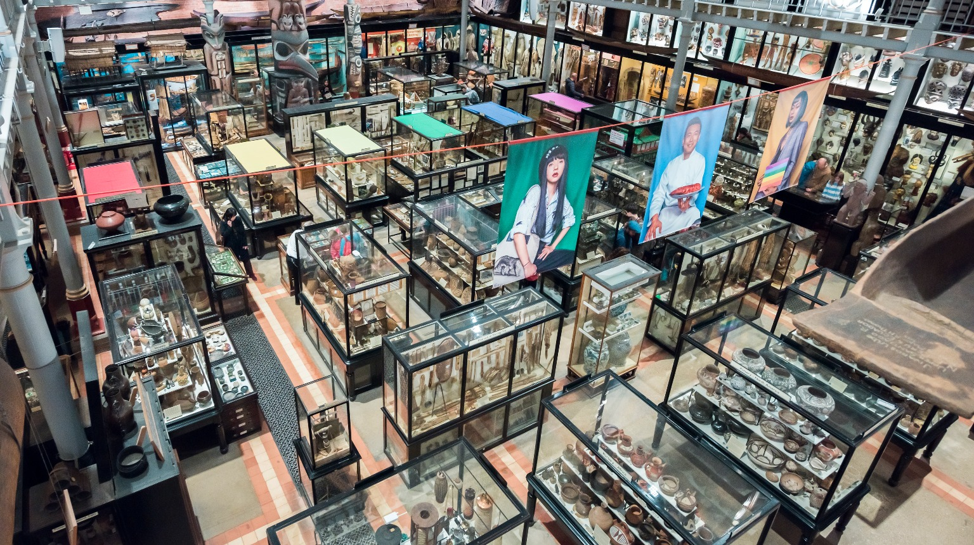
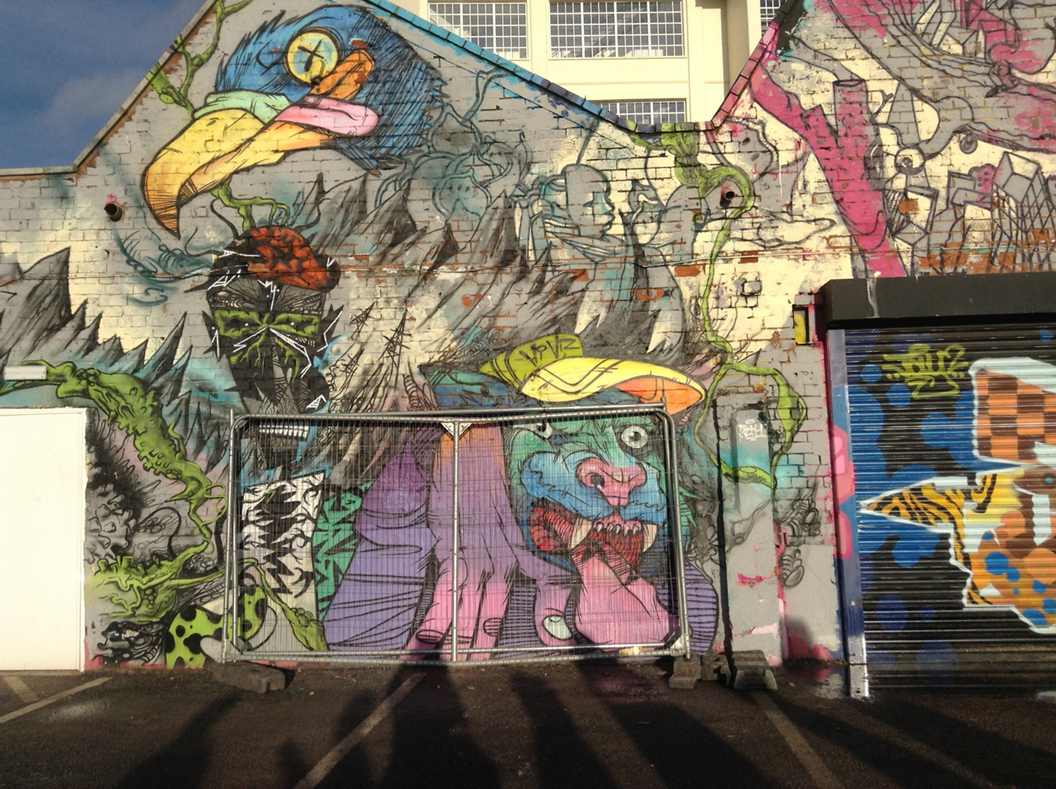
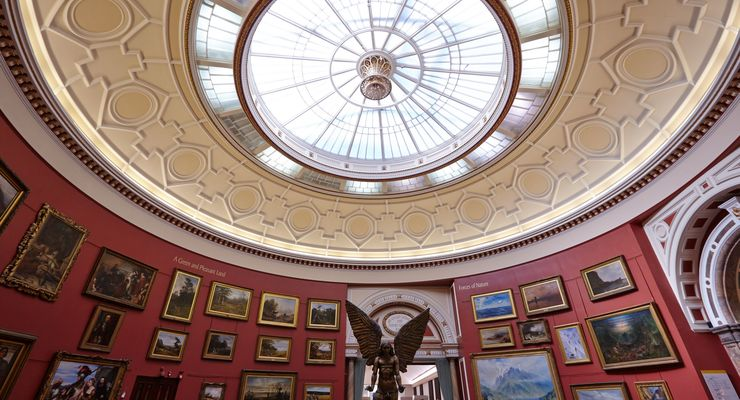
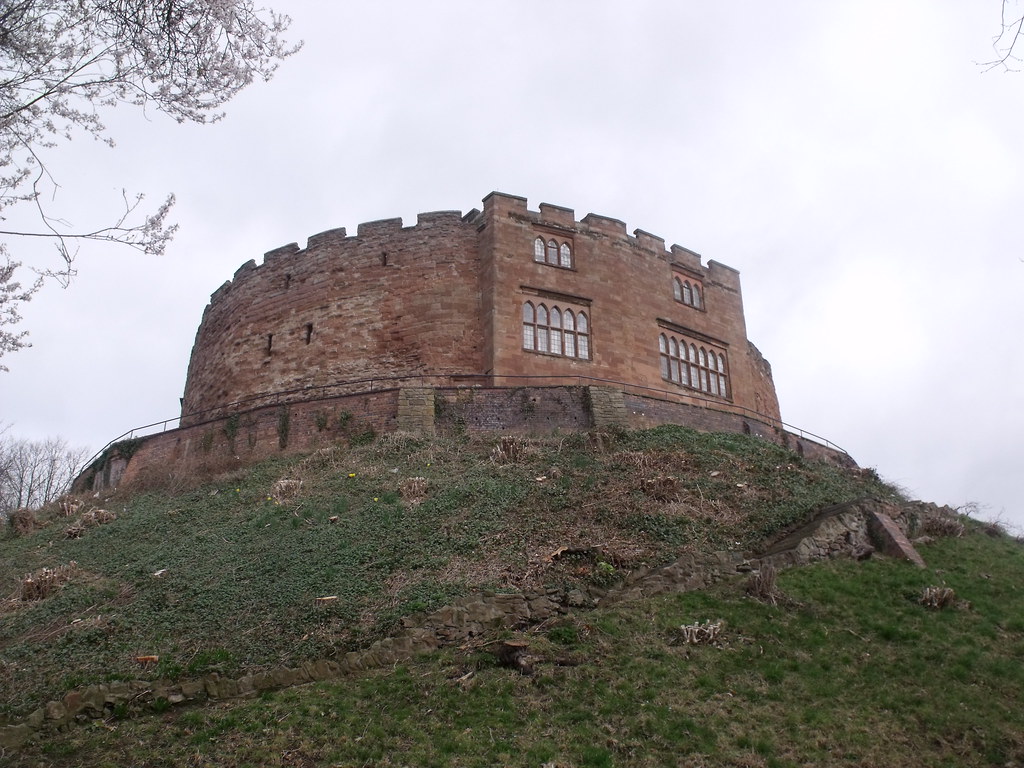
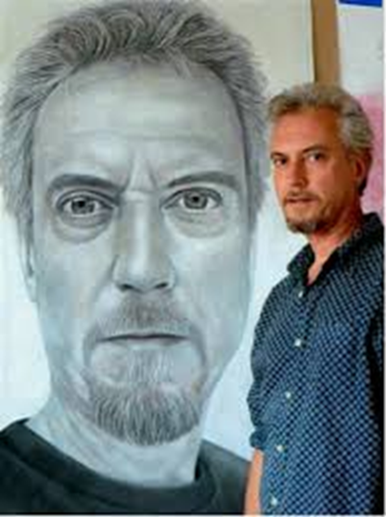
The Educational visits trips make major contribution to the acquisition of knowledge and development of skills. Students record from first hand through photography and sketches.
- Drama Trip to Matilda
- Year 10 Pitt Rivers Oxford
- Birmingham Museum & Art Gallery Visit
- Graffiti Workshop with Chunxx
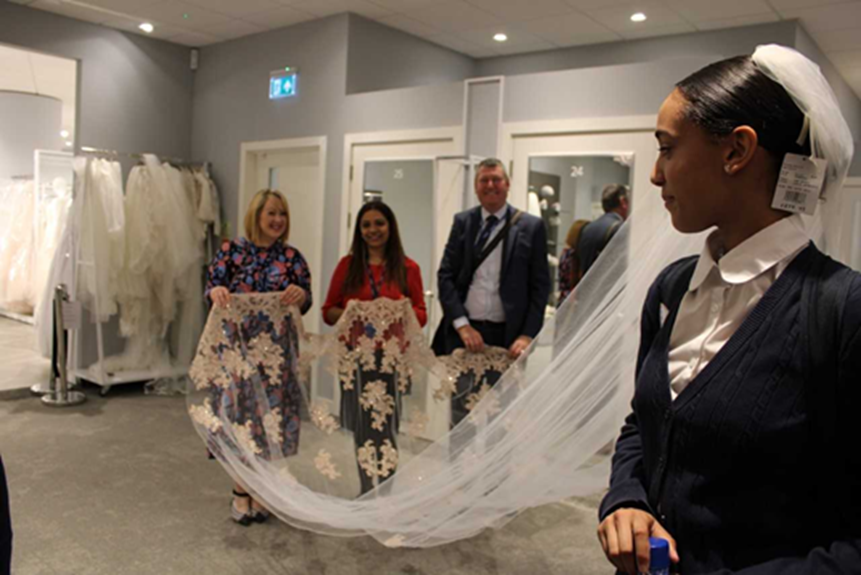
A select group of pupils received first hand knowledge of the ins and outs of David Bridal shop Birmingham. Students were taken behind the scenes and learnt about bridal dress design, how fittings take place and even got to try on a dress!