Arts Curriculum (Whole School)
Intent
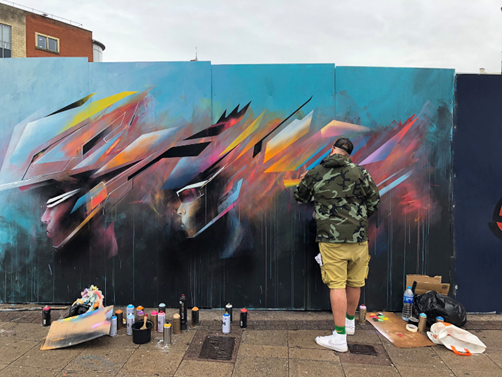
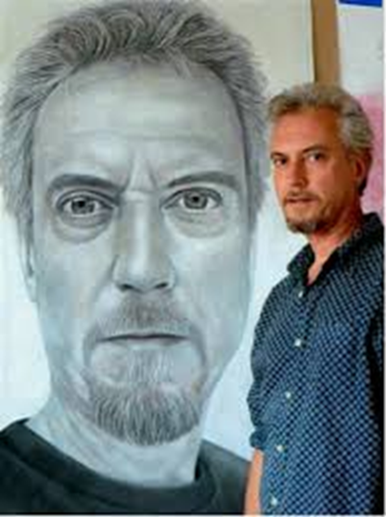
The Arts curriculum develops pupils’ creativity, cultural understanding, communication, and confidence. It builds upon KS3 foundations to deepen technical skill, contextual knowledge, and independence. The curriculum enables pupils to explore, refine, and present meaningful ideas while engaging with diverse artistic traditions.

Implementation
Teaching is structured, sequential, and clearly modelled. Students work with a wide range of media—drawing, painting, printmaking, sculpture, textiles, and digital processes—supported by explicit vocabulary instruction, artist study, and purposeful project work. Sketchbooks are used to plan, experiment, and evaluate throughout.

Impact
Students achieve recognised qualifications such as GCSE Fine Art/Three-Dimensional Art & Design or Arts Award. They demonstrate strong technical skills, personal expression, and cultural understanding. They become reflective, resilient learners equipped for further study and creative pathways.

Music Curriculum (Whole School)
Intent
Music is a powerful medium that supports students in identifying their needs, interacting with others, and deepening their understanding of the world. It fosters independence while promoting communication grounded in respect, kindness, and appreciation for diversity. Music enables students to connect with themselves and others, transcending cultural, spiritual, and educational boundaries.
Our aim is for all students—regardless of prior attainment or background—to develop a sense of musicality. Through a wide range of musical experiences, including live performances, students strengthen their musical skills while also building empathy, collaboration, and a deeper awareness of diverse cultures and perspectives.

Implementation
Students participate in music‑themed workshops where they listen, respond, and engage with musical concepts. They experience live performances through celebration days and contribute to culturally themed assemblies.
Impact
Students have opportunities to explore a variety of instruments and learn about music and dance from different cultures. These experiences nurture a lifelong love of music, broaden cultural understanding, and support their personal development.
DRAMA Whole School
Intent
The Drama curriculum nurtures pupils’ creativity, communication, social understanding, and self-confidence. It builds upon KS3 foundations to develop core performance skills, emotional literacy, and collaborative abilities. The curriculum enables pupils to explore character, story, and expression through accessible, structured practical work. Learners engage with a range of dramatic styles, conventions, and cultural traditions, empowering them to share ideas, interpret meaning, and develop a strong sense of personal voice.
Our partnership with the Hippodrome Education Network (HEN) enriches this offer by giving students access to professional theatre experiences, live performances, and industry-led workshops that broaden their cultural awareness and aspirations.

Implementation
Teaching is highly structured, sequential, and consistently modelled. Lessons use clear routines, visual supports, and scaffolded tasks to ensure accessibility for all learners. Students participate in practical drama activities involving voice, movement, improvisation, storytelling, and simple script work. Key vocabulary is taught explicitly and reinforced through repetition, modelling, and multisensory strategies.
Selected classes work weekly with an HEN drama facilitator, benefiting from specialist input that supports skill development, creativity, and confidence. Through this partnership, students regularly experience live theatre performances and engage with professional practitioners. In addition, pupils are given opportunities to access the Hippodrome Work ExperienceProgramme, offering authentic insights into theatre production, customer service, and creative industry roles.
Reflective practice, teacher guidance, and supportive feedback help learners recognise progress and take increasing ownership of their development.

Impact
Students develop increased confidence, communication skills, and emotional awareness. They demonstrate the ability to collaborate effectively, create and perform simple dramatic pieces, and apply key dramatic techniques with growing independence. Pupils speak more confidently about ideas, characters, and performance choices, and evaluate their own work with sensitivity.
Through our collaboration with the Hippodrome Education Network, learners gain meaningful cultural capital and insight into live theatre, enhancing aspiration and personal development. Participation in workshops and work experience‑ pathways supports readiness for further training or qualifications such as Arts Award.
Overall, students become expressive, resilient learners equipped with transferable communication, teamwork, and creative skills that support future learning, employment, and life.
ICT Whole School
Intent
The ICT curriculum develops pupils’ digital literacy, problem-solving skills, communication, and independence. It builds upon KS3 foundations to strengthen technical knowledge, computational thinking, and safe digital practice. The curriculum enables pupils to explore, create, and communicate using a range of technologies while understanding their role in an increasingly digital world. Learners engage with accessible, meaningful tasks that promote curiosity, confidence, and readiness for everyday digital demands.

Implementation
Teaching is structured, sequential, and clearly modelled. Lessons incorporate visual supports, step-by-step demonstrations, and differentiated tasks to ensure accessibility for all learners. Students work with a wide range of hardware and software—word processing, presentation tools, graphics, coding platforms, data handling, and online communication—supported by explicit vocabulary instruction and practical, purposeful project work. Regular reinforcement of E-safety underpins all learning. Scaffolded resources, repetition, and hands-on exploration help pupils develop both functional ICT skills and broader problem-solving strategies.


Impact
Students develop essential digital literacy, confidence, and independence. They can navigate software, create digital content, stay safe online, and apply problem-solving techniques with increasing autonomy. Learners communicate effectively using digital tools and can evaluate their own work and the work of others. Many progress to Entry Students develop essential digital literacy, confidence, and independence. They can navigate software, create digital content, stay safe online, and apply problem-solving techniques with increasing autonomy. Learners communicate effectively using digital tools and can evaluate their own work and the work of others. Many progress to an Entry Level qualification. They leave as resilient, competent users of technology, equipped with the practical skills needed for future learning, employment, and everyday life.
KS5 Arts Curriculum
KS5 Intent, Implementation & Impact
Discovery Pathway
| Intent (Why are we doing it?) | Implementation (How we are going to do it) | Impact (What we want to see and develop) |
|---|---|---|
| Our curriculum supports students in recognising their needs, developing positive interactions, and deepening their understanding of the world. Through a focus on problem solving, creative thinking, research, and communication, students grow in independence, strengthen life skills, and develop a strong sense of identity. We encourage respectful, kind, and inclusive relationships, enabling students to appreciate varied perspectives and experiences. | Students follow a structured programme that builds their understanding of the formal elements—colour, line, form, shape, tone, and texture. They explore a broad range of artists, cultures, and creative practices, learning how different contexts influence artistic decisions. Students practise drawing and making skills using varied materials, selecting appropriate processes to communicate ideas effectively. | Students work towards an Arts Award qualification (Explore/Discover) while developing awareness of culture, creativity, and personal expression. They develop transferable skills including creative thinking, reflective practice, and cultural understanding. These foundations help prepare them for future learning and broaden their understanding of the world. |
Quest Pathway
| Intent | Implementation | Impact |
|---|---|---|
| At KS5, students refine their technical skills and develop increasing independence in their creative work. They learn to explore, develop, and present ideas with greater depth, using a broad range of materials and techniques. By examining diverse artists and movements, students gain stronger contextual knowledge and make informed choices that support their creative intentions. | Students undertake structured, long-term projects that require planning, research, experimentation, and refinement. They work confidently across multiple mediums—including drawing, painting, printmaking, sculpture, textiles, and mixed media—while applying the formal elements purposefully. Sketchbooks capture the progression of ideas, experiments, and evaluations. Teacher modelling, guided feedback, and purposeful practice enable students to work with growing independence and precision. | By the end of KS5, students achieve an Arts Award qualification (Explore/Bronze). They demonstrate secure technical skills, clear intentions, and personal, meaningful responses. Students evaluate their work independently, use key artistic vocabulary accurately, and draw confidently on contextual and cultural knowledge. They leave KS5 well prepared for further study with strong transferable skills such as resilience, creativity, and reflective thinking. |
Explorer Pathway
| Intent | Implementation | Impact |
|---|---|---|
| The curriculum enables students to understand their needs, engage positively with others, and build confidence through creative exploration. It supports independence and effective communication, developing skills in problem solving, creative thinking, research, and self-expression. Students learn to explore, refine, and present ideas with growing confidence, and value their own creativity alongside that of others. | Students develop foundational visual language skills through structured teaching of the formal elements—colour, line, form, shape, tone, and texture. They experiment with drawing and making for a range of purposes, choosing suitable materials and adapting techniques as needed. Through guided practice, they build confidence, strengthen creativity, and establish a secure basis for further artistic learning. | Students work towards an Arts Award Bronze qualification depending on their progression route. They broaden their creative skill set, gain confidence in communicating ideas, and develop deeper appreciation of artistic processes and cultural contexts. This prepares them for further study or creative pathways beyond school. |
Navigator Pathway
| Intent | Implementation | Impact |
|---|---|---|
| The curriculum supports students in recognising their needs, developing teamwork skills, and gaining a broader understanding of the world. It promotes independence and respectful communication while strengthening problem solving, creative thinking, research, and collaborative skills. These experiences allow students to refine and confidently present ideas, building competencies valuable in the arts and wider employability contexts. | Students develop, refine, and record ideas with increasing autonomy. They learn to present personal and meaningful responses that clearly communicate their intentions. Technical skills are strengthened through the safe and purposeful use of a broad range of materials and techniques. Structured progression supports growth in technical competence and creative understanding. | Students work towards Award Bronze/ Silver, gaining deeper artistic knowledge and appreciation. They develop creative, technical, and reflective skills essential for formal assessment and further education. Their qualification supports diverse future pathways and enhances opportunities within the creative sector. |