
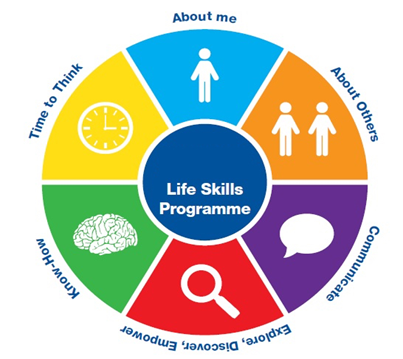
The aim of Life Skills at Queensbury School is to equip students with the transferable skills needed to be able to have fulfilling lives, whilst at school and in the future. For our students achieving independence is an important part of the journey into adulthood. We offer preparation and guidance, so our students can develop and apply in the real world the essential skills required in independent living such as knowing ourselves, looking after myself and others, making meals, communicating and many more. Life Skills curriculum gives the opportunity to develop skills through the experience of daily activities both on and offsite. We encourage a strong liaison with families to ensure the teaching of life skills span across the students` day including before and after school. Our students can build on the foundation of Skills for Life and Work qualifications, to help them perform at work and progress with confidence in the future.
| KS5 | Intent (Why are we doing it) | Implement (How we are going to do it) | Impact (What we want to see and develop) | INSIGHT |
|---|---|---|---|---|
| Discovery | We encourage our students to discover and recognize the skills required for independent living. The Discovery curriculum focuses on practical learning that helps students build confidence, communication, and self-awareness at a level appropriate to their individual abilities. Students learn key life skills in areas such as personal care, independent living, social interaction, emotional development, and early preparation for work. Learning is highly practical and structured, encouraging students to make choices, follow routines, and develop independence wherever possible, enabling greater awareness of everyday living challenges and strong sense of self. We encourage our students to communicate and interact with others, help them express their needs, understand others, and build positive relationships. Alongside this, students develop resilience, confidence, and an understanding of the world through simple, meaningful experiences. We ensure our Discovery students have access to learning within the local community where they have frequent opportunities to practice skills such as shopping, travel awareness, using money, and appropriate social behaviour. These skills are revisited and reinforced to help embed learning into everyday life, supporting long‑term independence and well‑being, | The Discovery curriculum is implemented through a highly practical, supportive, and structured approach to learning. Students are provided with regular opportunities to develop the skills and understanding they need to participate more independently in everyday life, appropriate to their individual abilities. Learning is delivered through a range of practical tasks and themed units that focus on communication skills, independent living skills, social development, and early employability skills. Activities are broken down into small, manageable steps and are repeated regularly to support understanding, confidence, and retention. Students are supported to follow routines, make choices, and practice new skills in familiar and real‑life contexts. Communication strategies are embedded throughout learning to help students express their needs, make decisions, and interact positively with others. Where appropriate, learners are introduced to elements of a working environment, such as understanding simple work routines, completing structured tasks, and developing appropriate behaviour and attitudes. These experiences help students gain a basic understanding of the expectations of work and prepare them for future progression. | We would like our students to develop greater independence and the confidence to manage aspects of everyday life wherever possible. They would gain practical skills that support independent living, including cooking for themselves, looking after a home environment, staying safe, and recognizing and accessing services within the local community. We would like to see students demonstrating improved communication and social skills, enabling them to work alongside others, follow instructions, and interact appropriately in a range of settings. They would develop an understanding of how to dress and behave suitably for different situations, including community and work-related environments. Over time, we would like to prepare and enable students to participate more confidently in daily life, learning, and future opportunities. | |
| Explorer | We encourage students to develop the knowledge and skills they need to live, learn, and work as independently and effectively as possible. Students access an appropriate and relevant curriculum that supports them to participate in life, learning, and work within the community, while recognizing their own personal growth and engagement in learning. Through this process, students develop transferable life skills that support independence and improve their life chances. They are supported to build self-belief and confidence, develop resilience, and nurture aspirations appropriate to their individual abilities. Students enhance their preparation for the world of work by developing communication and interaction skills and gaining experience of expectations beyond the classroom. We support students to build confidence in their own abilities and increase their understanding of procedures required to access facilities and services within the local community. | Students participate in a range of practical learning activities both in and outside of school to develop the skills required for independent living and for participation in life, learning, and work. Learning opportunities are designed to be meaningful, accessible, and appropriate to individual needs. Where appropriate, students have access to accredited courses and qualifications, such as AIM and programmes delivered through The King’s Trust, to support the development of employability skills, confidence, and preparation for adulthood. Students are supported to make informed choices and to take part in activities available within the local community, helping them to develop independence, social understanding, and awareness of local facilities and services. These experiences support learners to increase their opportunities to live as independently and safely as possible in their own homes and within the wider community. | We would like to prepare our students to live as independently as possible by developing practical life skills such as cooking for themselves, looking after a home environment, managing a simple budget, and staying safe. Students build confidence in accessing services within the local community, supporting greater independence and inclusion. We would also like students to develop transferable skills that support future learning and work, including teamwork, communication with others, and functional literacy and numeracy skills. Alongside this, students develop personal and employability skills such as following instructions, completing tasks, and understanding how to apply for a job or a course. These outcomes support students to make informed choices, build confidence, and progress towards greater independence in adulthood. | |
| Navigator | Our students develop skills that support independent living and problem-solving, including managing money through saving, understanding banking, and budgeting. They are provided with opportunities to build skills in areas such as employability, personal development, and understanding their own learning styles. Through these experiences, students are given opportunities to explore a range of vocational areas that help inform future career and employment choices. We support our Navigator learners to develop the skills required for the real world of work, including appropriate workplace behaviours, teamwork, and communication. Students are encouraged to develop ambition and self-belief, practice working with others, and grow in confidence, resilience, and independence. These outcomes support them to face challenges positively, prepare for adulthood and participation in a range of learning, work, and community environments. | Students’ learning is delivered through an accredited qualification pathway made up of a range of units that support employability, independence, and preparation for adulthood via AIM qualification and King`s Trust programmes. Learning is structured to include discussion, collaborative working, and practical tasks, enabling students to develop knowledge and skills in meaningful and purposeful ways. Students engage in practical activities such as preparing and organizing events, researching topics related to work and careers, and working effectively as part of a group. These activities help to develop problem-solving, teamwork, communication, and confidence. Learners also undertake a wide range of work-related learning activities, including writing CVs and exploring job roles they are interested in, making plans for future progression into further study or employment, and taking part in mock interviews. These experiences support students in understanding workplace expectations and developing the skills needed for the real world of work. | We would like our students to gain a greater understanding of the careers and courses available to them and to be able to apply the skills and knowledge they have developed to everyday living and the world of work. We would like students to become confident and increasingly independent young people who are able to make informed choices about their futures and consistently use and apply their skills in their daily lives, learning, and work-related settings. These developments would support students in building self‑belief, resilience, and ambition, helping to prepare them for adulthood, further study, employment, or supported pathways that reflect their individual strengths and needs. We would like students to demonstrate improved employability skills, including the ability to work effectively with others, communicate appropriately, follow instructions, and complete tasks with increasing independence. Through activities such as CV writing, mock interviews, and researching job roles, students gain greater confidence in presenting themselves and understanding workplace expectations. | |
| Quest | Students learn to identify and respond to their own needs and develop an understanding of appropriate assertiveness, including the ability to confidently say “no” to help avoid risky or unsafe situations. Through role play and supported activities, students explore ways to keep themselves safe and take part in discussions that build social understanding, confidence, and resilience. Quest learners develop key skills such as interacting with others, communication, independence, and an understanding of the world, all of which support life skills and self-awareness. We ensure our Quest students have access to learning opportunities within the local community and provide frequent chances to practice these essential skills. This helps to reinforce learning and embed skills as part of everyday life. | Students explore and develop their understanding of how to keep themselves and others safe through structured, practical learning experiences both in school and within the wider community. Teaching is delivered through role play, visual support, discussion, and real-life scenarios that are appropriate to individual ability levels. Safety themes such as personal safety, road awareness, online safety, appropriate boundaries, and asking for help are revisited regularly to reinforce learning. Staff model safe behaviours and provide clear routines and consistent expectations, enabling students to practice responding to situations in a supported environment. Opportunities are planned for students to apply their learning during community visits, where they are supported to recognize risks, follow safety rules, and make simple, informed choices. Communication strategies are embedded throughout learning to help students' express concerns, say “no” where appropriate, and seek support from trusted adults, supporting their confidence, independence, and well-being. | Students are able to share their thoughts and ideas in small group discussions, demonstrating growing confidence in communication and social interaction. Through basic role play activities, they show increasing awareness of the world around them and are able to recognize potential dangers in different situations. This supports their understanding of how to keep themselves and others safe in school and within the wider community. |
Delivery of Life Skills at Queensbury School:
How we make Life Skills subjects interesting?
Teaching across Life Skills follows a curriculum map designed to develop key skills in our pupils which encourage them to think critically and prepare them for the wider world.
The curriculum is designed in such a way as to support pupils through challenges facing adults in everyday living, how to cope with these and how to make decisions in regards to their future.
Dedicated staff making learning interesting and practical as much as possible;
Topics carefully chosen and tailored to students needs and interests, related to everyday
living;
Offsite education- Community Access lessons, visiting places such as Birmingham Library, city
centre, Job Centres, museums, cafes;
Travel training – close liaison to Life skills targets to increase students` independence;
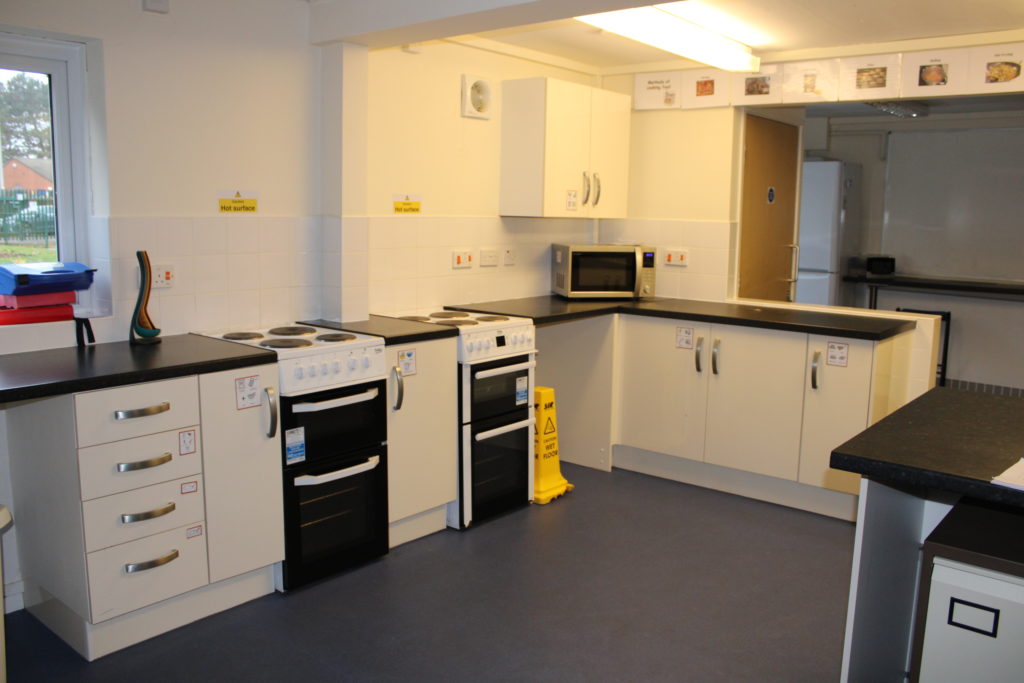
Cooking – real life experience to prepare and taste different foods;
Close liaison with parents to extend learning in the classroom by practicing gained skills at home;
Taking part in events such as Road Safety week, healthy tuck shop.
Learning through experience – vocational education studies- Hair & Beauty, Catering,
Painting &decorating, Office skills, Household skills, Horticulture.
Visiting school`s allotment, looking after 6th form veggies garden.
Visitors invited to employability lessons.
Preparing students for works experience.
Taking part in raising money for different charities, Food bank.
Taking part in organising events such as Coffee mornings.
